
Calm in Your Pocket: Swift Relief for Busy Parents
Discover pocket-sized stress interventions for parents on the go, crafted for school drop-offs, grocery lines, practice pickups, and late-night laundry folds. We’ll explore tiny, evidence-informed practices you can carry anywhere, supported by practical stories, simple science, and friendly prompts. Try one today, share what lands, and return tomorrow to build consistency with minutes, not hours, so your attention, patience, and presence feel replenished exactly when family life asks the most of you.
The Sixty-Second Exhale Reset
Set a mental timer for one minute. Inhale softly through your nose, then lengthen the exhale like you are fogging a mirror you cannot touch. Count to six, maybe eight, if it feels easy. Shoulders drop; jaw loosens. Alicia uses this while the microwave hums, choosing not to add an argument to a long day. One minute will not solve logistics, but it changes the chooser who faces them, making every next step kinder and cleaner.
Box Breathing for Parking Lots and Elevators
Trace an invisible square with your eyes or finger: inhale four, hold four, exhale four, hold four. Repeat four times. This tidy rhythm suits elevator rides, curbside pickup waits, and post-bedtime chores. Navy pilots and first responders favor its predictability; parents appreciate the reliable cadence in chaos. Marcus practices before walking from the car to the door after a tough meeting, arriving home more spacious. Post your favorite counts to inspire another caregiver in our community.
Grounding on the Move
Five-Sense Scan Between Errands
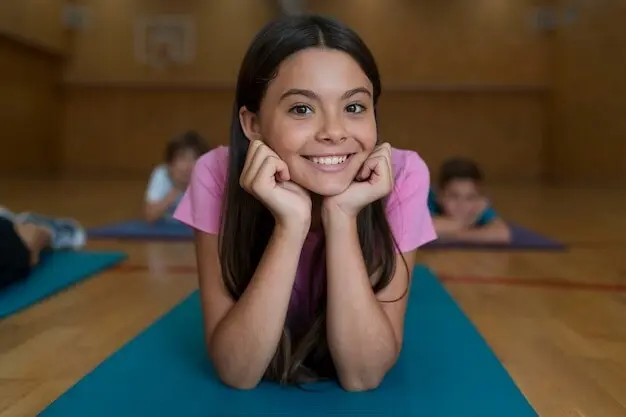
Name five things you can see, four you can touch, three you can hear, two you can smell, and one you can taste or imagine tasting. Speak quietly or silently in rhythm with your steps. The specificity anchors attention and slows the body’s alarm. Mei uses this walking from daycare to the bus, noticing a blue mailbox, the zipper on her bag, and a distant siren. The list ends; her shoulders drop. Share your most surprising find with us.
Texture Check-In with What You’re Holding
Whatever is already in your hand can be a lifeline. Feel the corrugations of a receipt, the cool glass of a phone, the worn canvas of a tote handle. Describe three qualities—temperature, weight, roughness—without judgment. This simple sensory labeling interrupts rumination and invites your nervous system to borrow solidity from objects. Devon anchors during school pickup by rolling a smooth coin between fingers, reminding himself he can choose the next response. Try it now, then message the texture words you discovered.
Cooling Pulse-Point Shift
Cold nudges arousal downward quickly. Press a cool water bottle or damp paper towel to wrists, neck sides, or the space under cheekbones for thirty to sixty seconds. Breathe slowly while cooling. The temperature drop cues calm without conversation. Tori runs wrists under the restroom tap before a difficult phone call, reclaiming steadiness. Keep a small gel pack in the freezer for after-bedtime resets. If you try this today, tell us where it helped and what you noticed afterwards.



Tiny Tools That Travel Well
You likely own calming tools already; the trick is intention. A smooth stone, a short pencil, mint gum, or a phone timer becomes a nervous system nudge when paired with breath and labeling. Keep a small kit in your coat or diaper bag: scent, texture, note cards, and a rubber band. These objects externalize supportive cues and shrink the gap between knowing and doing. Try one tool this week, then tell us how you personalized it to match your routines.
Pocket Notebook for Mental Unloading
When thoughts tangle, capture three lines: what’s swirling, one smallest necessary action, and when you’ll revisit the rest. The page holds what your head should not. Lena writes during snack prep, returning attention to a child’s story within seconds. Crossing items later becomes a quiet reward. If paper feels bulky, use your phone’s widget. The key is brevity and closure. Share a photo of your minimalist layout to help another parent try this tonight without overthinking design.
Scent Anchor for Fast Calm
Scent travels to memory quickly. Choose a pleasant, familiar aroma—peppermint, citrus, lavender—and pair it with slow exhales. Keep a mini inhaler, lip balm, or tea bag in your pocket. Over repetitions, the smell cues calm on contact, like a song that moves your mood. Jonah uses orange peel during grocery lines, associating it with steady breath. Note sensitivities and keep it light for shared spaces. What scent works for you? Drop your pick so others can safely experiment.
Mini Movement with Invisible Reps
Movement completes stress cycles, even in small doses. Try thirty seconds of calf raises while waiting, shoulder rolls at the sink, or a slow wall push-up against the hallway. Pair each with an exhale and an encouraging phrase. Blood circulates; mind clears. Zainab does a quiet stretch before bedtime stories, arriving more patient. Stash a loop band in the car for one gentle set after parking. Report your stealthiest move so our feed becomes a library of portable resets.
Speedy Reframes for Stubborn Thoughts
Runaway thoughts fuel stress as much as schedules do. Quick cognitive pivots help you step out of mental ruts without debating them endlessly. Naming the feeling, normalizing the context, and choosing the next small step reclaims choice. Compassionate self-talk is not indulgence; it is maintenance. Treat your inner voice like you speak to a tired friend. Practice during neutral moments so the lines are ready under pressure, and share your favorite phrases to seed a collective script for calmer days.
Name, Normalize, Next Step in Thirty Seconds
Say out loud or in your head: “I feel overwhelmed.” Normalize: “Anyone juggling this many needs would feel stretched.” Choose: “Next, I’ll fill water bottles.” This compresses spirals into action. Theo repeats this before school runs, avoiding snap remarks. Write your version on a sticky note. Over time, your brain learns the pathway faster, arriving at agency instead of accusation. Comment with your three-line script to model practical kindness for parents who need a ready template.
Assume Generosity to Soften the Edge
When intentions feel hostile, experiment with an interim story: “They are trying their best with the skills they have today.” This does not excuse harmful behavior; it widens choices while you set limits. Noticing motives as mixed—yours too—reduces heat. Priya uses this with siblings arguing over chargers, speaking firmly without extra sting. Pair the reframe with an exhale, then state the boundary. If you tried this reframe today, tell us where it helped and how your tone shifted.
Micro-Goals That Shrink Overwhelm
Turn mountains into footholds by defining the very next visible action: set a two-minute timer, clear five emails, or start the first laundry load only. Completion creates momentum and closes the stress loop. Celebrate with a shoulder roll and a slow breath. Carmen calls these “crumb goals,” because they lead to satisfying bites. Share your smallest win of the day in the comments, then borrow someone else’s idea for tomorrow. Collective simplicity keeps families moving forward with steadier hearts.
Family Buy-In and Sustainable Habits
Calm scales faster when everyone understands the cues. Build micro-rituals into transitions, agree on shared signals that mean “reset,” and protect tiny windows that anchor the day. Teaching children these skills normalizes care and lightens your load. Invite play: turning grounding into a scavenger hunt or breath into dragon fire keeps it fun. Choose just one practice this week, repeat daily, and record how mornings or bedtimes feel different. Share results so others can iterate alongside you.
All Rights Reserved.